
Battery Selection in 2025 – What to Look For
Choosing the right battery is crucial not only for the performance of your device but also for safety. The wrong size or type may not fit, may not work properly, or can even damage your equipment. Here’s a complete guide to help you make the right choice.
1. Size – the foundation of everything
Always choose the battery size and voltage according to the manufacturer’s recommendations.
Most common types in 2025:
- 18650 battery – flashlights, older e-cigarettes, portable devices
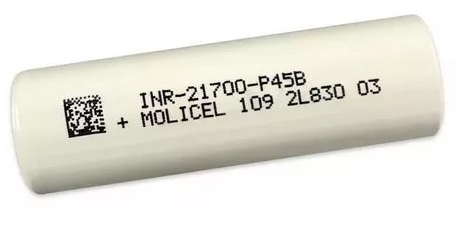
- 21700 battery – modern flashlights, e-bikes, drones, RC cars
- 10440, 14500, 16340, 18350, 26650, 26800 – compact or specialized devices
👉 Tip: The numbers represent the dimensions – the first two digits are the diameter (mm), the next two are the length. For example, an 18650 battery is 18 mm wide and 65 mm long, while a protected version can be up to 70 mm.
Flat top or button top?
Some devices require a button top battery, while others need a flat top battery.
- Button top: looks like an AA battery, with a small protrusion on the positive end.
- Flat top: no bump on the positive end.
👉 Tip: If your device has a spring in the battery compartment, a flat top is usually better. If it uses a flat metal contact, a button top is often required. If the contact is dimpled, then flat top is the right choice.
2. Voltage and chemistry
Not all batteries can be substituted! The most common rechargeable battery voltages are:
- NiMH / NiCd – 1.2 V: mostly for older devices
- Alkaline / rechargeable lithium 1.5 V: simple electronic devices
- Li-ion (18650, 21700) – 3.6–3.7 V: high capacity, modern standard
- LiFePO4 – 3.2 V: safer, longer lifespan
⚠️ Warning: Never use a 3.7 V Li-ion cell in a device designed for 1.2 V batteries – it can destroy the device. Also, only charge 1.5 V rechargeable lithium batteries with chargers designed specifically for them.
3. Protected or unprotected?
- Protected battery: built-in PCB protection against overcharge, over-discharge, and short-circuit. Recommended for beginners and everyday users.
- Unprotected battery: cheaper, slightly shorter, and allows higher discharge, but requires more attention. Recommended for experienced users.
👉 Tip: If in doubt, always choose a protected Li-ion battery. But if your device requires high drain performance, then an unprotected cell may be the only option.
4. Discharge rate – how much power it can handle
High-power devices like powerful LED flashlights or electric scooters require high drain rechargeable batteries.
- Standard devices: 5–10 A is usually enough.
- High-performance flashlights, power tools, e-cigarettes: 15–30 A required.
👉 Tip: The discharge rate is critical for many devices. If the battery cannot provide the required current, the device won’t work properly. Always check the manufacturer’s recommendation before buying batteries.
5. Li-ion cell types
- ICR (LiCo): higher capacity, lower discharge current.
- IMR (LiMn): safer, medium performance – good for beginners.
- INR (LiNiMnCo): high performance, professional use.
6. Capacity and quality
- 18650 batteries realistic capacity: up to 4500 mAh, weight 40–50 g
- 21700 batteries realistic capacity: up to 7000 mAh, weight 60–75 g
⚠️ Tip: If you see higher capacities than these (especially cheap ones), it’s fake. Also, if the cell’s weight is below the expected range, the quality is suspicious.
✅ Always buy from trusted manufacturers: Samsung, LG, Sony/Murata, Molicel, Vapcell.
7. Convenience features in 2025
- USB-C charging: more and more batteries include built-in charging, no external charger needed. Keep in mind, these cells are slightly longer.
- Fast charging and better protection: modern chargers detect the battery type and optimize the charging process. Up to 3A charging is possible, but this reduces lifespan.
- Powerbank function: some batteries have an output port, so you can charge your phone in emergencies.
Summary – what to check before buying a battery
- Fits your device in size and design
- Provides the correct voltage
- Has the required discharge rate
- Is protected (unless high drain is needed)
- Comes from a reliable brand
👉 Final tip: Always follow your device manufacturer’s recommendations and choose only original, high-quality rechargeable batteries. This ensures long lifespan, maximum safety, and the best performance. And if you are unsure – ask for advice before buying. It’s always better to check than to replace later.

