
EVERYthing about Vape batteries
What to pay attention to when looking for a vape battery? Here's the FULL list, if you're looking to buy, it's worth looking at to really choose the best one for you! From maximizing the life of your vape battery to tips on maintenance and safety, this guide contains everything most users need to know.
What is a vape battery?
A vape battery is simply the part of the vape device that provides the power you need to convert e-liquid into vapor. Although these batteries are available in a variety of sizes, they are usually located in the lower part of the vape device under the container or pod.
Most devices use integrated batteries, which are built into the device, and can be charged through a charging cable in the body of the device. However, some large devices, such as pods and pod modes, use removable and removable batteries.
Vape Battery Types
Automatic Vape Batteries
- Easy to use
- Close to traditional cigarettes
- They usually need a shorter charging time
- There may be a delay between puffing and vapor inhalation
Manual Vape Batteries
- They usually provide more performance, produce more steam and deliver more performance
- Offering more control, they usually have longer shutdown times
- They typically have longer life than automatic batteries due to their larger size
- It is usually possible to turn it on or off by pressing the button five times
Variable performance batteries and modes
Variable-power batteries are improved versions of manual batteries. They allow you to increase or decrease the performance provided by the battery, usually by pressing the up/down buttons.
Mod devices, usually of variable performance, may offer other functions.
For example, the bypass controls simply transfer the full power of the battery to the coil while the thermal control measures the coil resistance (see below). These devices have larger batteries and generally have a wider range of performance.
Any type allows you to find the right performance:
- to your vape juice
- to the coil/container
- your personal preferences in terms of steam and effect.
Choosing the right power for your coil
The coils have different resistance. It is important to choose the right performance for the resistance you use, we recommend to follow the manufacturer's instructions. This is because the design and material of the coils may be different. As a result, coils with the same resistance may require different performance.
Thermal Management Devices
Temperature control (TC) is slightly different. This term is used to refer to the device, not the battery itself. TC devices use predictable changes in coil resistance to keep the coil at a constant temperature. This will help to extend the life of the roll and improve the taste of the vape.
Removable batteries for modes and pod modes
Many variable performance modes (and some pod modes) use internal batteries as part of the design. However, not all of them, and for some devices you need to buy a separate battery or batteries.
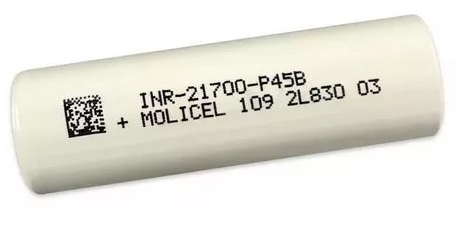
Many sizes are available (including 21700, 18350, 26650, and many others), but 18650 batteries (such as Molicell 18650) are most commonly used in tapping.
In general, the separately purchased battery pack does not affect the experience. A mode that uses an external battery can perform the same functions as an internal battery mode.
The only difference is that you need to insert the battery or batteries in their place with the correct polarity (according to "+" and "-"). Modern ways to charge specially purchased batteries onsite.
It may be useful to use a charger specifically designed for charging batteries, for example Xtar SC1. This allows you to charge the spare batteries while still using the mode.
Although using separate batteries may seem more complicated or tangible than using built-in battery devices, in practice there are very few differences. However, there are also benefits!
First of all, if you leave home, you can take back-up batteries. When the battery runs out, you can easily replace it without having to charge the device.
In addition, it may take longer for your mode to work. When the battery is worn out, you can easily replace the battery without having to buy a completely new device.
Battery capacity versus battery power
Among the batteries that confuse many new buckets is the difference between the battery capacity and the voltage or power. Things are a little more complicated here, so feel free to skip to the next stage!
Battery capacity is a measure of "battery life achieved once a charge". The capacity of vape batteries is usually measured in milliampere-hours (mAh). The higher the mAh value, the greater the capacity of the battery and the longer it takes between charges, depending on the power dragged.
Most non-adjustable Vape batteries emit 3.7 volts. A battery with a capacity of 1100mAh, which feeds a 1.0 ohm coil, will be able to supply 3.7 volts for a longer time than a battery with a capacity of 800mAh. However, both emit the same voltage.
Battery capacity also depends on the used coil because a lower resistivity coil pulls more power than a higher resistivity coil.
Battery capacity versus performance
Many vapors simply choose the maximum capacity (measured in mAh) without taking into account the amperage.
However, insufficient amperage can cause problems with the 18650's devices. These include faster battery wear and low power alerts.
If you have a single 18650 battery device, sometimes it may be better to choose a battery that provides a higher continuous A output and less mAh. For example, the Molicell 2800mAh 18650 battery is better for high-performance wrapping than the Samsung 35E 3500mAh 18650 battery.
What battery life can you expect?
It is almost impossible to accurately estimate the battery life, because it depends on:
- how long and frequent suctions
are - how you charge and maintain your device
- the size and type
of each battery - the voltage or power used (only for variable voltage/power batteries)
- the coil you use in your tank
For example, a battery will take much longer for someone who will smoke shorts than for someone who will last a long time.
If you take care of your device, the battery will last longer between charges. If you use a low-resistance coil, you will use more energy, and the battery will not last that long.
With unimaginably wide set-up options, it's virtually impossible to estimate how long a battery will last. For example, there is such a big difference between the 20W and 80W wrapping, that the number of pulls can also vary significantly.
However, you can safely assume that with most modern, variable power modes or pod modes, you can tap for almost a full day on a single charge.
You can use your device for longer periods of time, for example with higher capacity batteries such as Vapcell T50 or devices that use two 18650 batteries.
9 ways to maximize battery life
Storage: Store the battery in a cool, dark place, especially if it is stored for a long time. If you plan to store it for a long time, try to ensure that it is at least 40% full. This will allow the discharge while leaving enough energy to keep the protection circuit alive.
Regular use: Most vape batteries are designed for daily use.
Charging before full discharge: Partial discharge is less on the battery than full discharge. If you can, charge the battery before it runs out completely (ideally, when it is about 20% charged) to improve its service life.
Do not charge it completely: At the same time, it is also true not to charge the battery completely, because it can also increase its service life. Many manufacturers display the full capacity of the battery at 90% of charge.
Do not charge too often: The same applies to charging too often (i.e. charging a little, then scraping until the battery is completely discharged). This can quickly reduce service life. Try to stay within the above mentioned parameters (do not fully charge, do not allow it to drain completely).
Caring for the battery: See maintenance tips below.
Shut down when not in use: This is especially important if you carry the battery pack in a bag or pocket, because the pressure may cause the unit to turn on. This will not only deplete the battery, but may also damage the coil.
Keep away from high heat and direct sunlight: If the battery becomes too hot, this can contribute to wear.
Use a cover to protect the battery: Batteries can easily get damaged and collect dust and dirt in the pockets. For best care, wear the battery pack in a vape case. You can check the case examples here on our accessories page.
If you take a separate battery to a mode, it is very important to keep it in a plastic case so that it does not touch something metallic in your pocket, which can cause a short-circuit.
Battery safety
Lithium-ion batteries, despite their small size, are highly efficient in generating energy. Unfortunately, due to the properties and chemical composition of lithium-ion batteries, any one has the potential to detonate.
Lithium-ion batteries contain lithium, sodium, potassium and other highly flammable and volatile elements. If you throw these in the water on your own, there'll be an explosion. When a cell overheats, a chain reaction may occur, causing a seizure or explosion.
Fortunately, because of modern design, explosions are extremely rare (an estimated one in ten million).
However, an overheated battery may still cause problems. This may be due to an error, such as a short circuit or inadequate insulation between the cells.
If the battery has a short circuit, this will allow it to flow. This generates heat and damages the insulation, which further exacerbates the problem. Once the battery reaches a certain temperature, this degradation can no longer be stopped and the battery can enter a "thermal seizure", which can result in explosions or hot gas emissions.
However, it should be emphasized again that this is a very rare case, especially if you use the battery safely. Even if the battery becomes problematic, the design of modern vape devices usually results in a gas release, not an explosion. It can be scary, but the damage will be limited.
Most standard lithium-ion vape batteries also have overcharge protection. It detects when too much voltage is pushed into the battery and stops the charging.
As an additional protection, there is a built-in insurance system in the battery. This is triggered when the battery is too low, while the circuit behind the buttons limits the time the battery is activated.
It is important to note that it is extremely unlikely that an explosion will occur with the battery. Most of the problems arose in the past when the vapers modified their own batteries, and modern vape batteries have many built-in safety measures.
However, despite testing, fuse protection and overcharge protection, there is always a slight chance of individual battery failure. This is a very rare case, but it is important to remember that precautions should be taken regardless of how many safety functions there are in the battery.
Other useful information about batteries
What is the difference between 18650 and 21700 batteries?
18650 and 21700 are both lithium-ion batteries, with different numbers indicating the size of the battery. The first and second numbers refer to the diameter and the second two numbers refer to the length. For example, the 18650 battery is 18 mm long and 65 mm in diameter. The 0 in the end is because it is a cylindrical device.
Does a 21700 battery last longer than a 18650 battery?
Although the numbers 18650 and 21700 indicate their size, usually a 18650 has a larger capacity than a 21700. This means that most 21700 batteries will last longer than equivalent 18650 batteries. However, when selecting batteries, it is important to consider the capacity (mAh), which is a more accurate indicator of battery life,
Is it safe to charge the vape batteries in the mode?
Modern vape devices are safely designed for charging, whether the battery is in mode or in an external battery charger. However, it is important to buy only authentic mod devices and batteries from trusted manufacturers and retailers.
Do I have to turn off the vape battery when I charge it?
Yes, turning off the vape battery speeds up the charging process, reducing total waiting time.
What is the difference between battery capacity and battery voltage/watt consumption in vape devices?
Battery capacity is a measure of how much energy the battery can store. This is measured in mAh (in milliampere-hours). The battery voltage or watts is usually adjustable and measures how much energy is emitted.
Can I use a wall outlet to charge the battery?
Yes, it is usually better to use a wall outlet than to plug it into a laptop. However, it is important to buy plugs only from trusted manufacturers and dealers and use one that suits your country.
What batteries do the vape devices use?
Vape devices use lithium-ion batteries. However, the exact size and capacity of the battery will vary depending on the device. Removable batteries are usually type 18650 or 21700.
For more information or maintenance, please read our complete guide on the safety and maintenance of vape batteries.
6 ways to maximize the safety of your vape battery
One mod device and vape batteries in one charger
- Don't mix and match!
Charge only the battery with the charger that was added to the battery or that was specifically supplied with the battery. Although chargers may be similar, the output voltage may vary.
Charging a battery from one carrier with a charger from another carrier can cause problems. In fact, as the London Fire Brigade noted, this has been the cause of most of the problems so far.
If you don't have the original charger that you got with the battery, then the most important thing you need to check is the output voltage of the charger. This should match the voltage that the battery receives.
The current (in amps) should ideally match, but since the connected device only requires as much power as it needs, using a charger with too high a current value is not very important (although in the long term it can reduce battery life).
- Buy from a trusted source.
Explosion of a battery when a vaper bought cheap batteries online for your vape set. Always buy your batteries from a trusted source and never use knowingly counterfeited products.
- Safe charging
Do not charge the battery at night and do not leave it at home when charging. For safety reasons, charge the battery on a non-combustible surface.
If you use a manual battery, turn it off before charging.
- Trap Protection
Check with your supplier to make sure your battery has overcharge protection.
- Carry Batteries Safely
If you are using a mode that requires separate batteries, then the safe delivery of batteries is absolutely essential. Without a plastic case, keys, coins or other metal items in your pocket can come into contact with the terminals of the battery and cause a short circuit.
- Disposing of damaged batteries
If you see any visible signs of battery damage, for example on a torn outer casing, drop them immediately.
For more information, see our full guide on the safety of vape batteries. Battery Maintenance
Cleaning the terminal of a vape battery with a cotton swab
Clean the terminals on the battery.
There's nothing complicated here, just wrap up some paper and wipe the terminals. If stronger cleaning is needed, use a cotton swab.
For best cleaning, use a cotton swab with rubbing liquor to clean the terminals. Let the battery dry for a few seconds before using it again.
Keep the battery charged.
As explained above, keeping the battery charged can prolong the battery life, especially if you don't use it for a long time.
Troubleshoot battery issues
Device does not generate steam
- Check that the pod or tank is not empty. If you're using a tank, you can easily see the e-liquid level, if not, try another pod to be absolutely sure.
- Make sure the battery terminal is clean.
- Make sure the tank/pod is clear.
- Make sure the battery terminal is connected to the tank/cassette.
- Test the battery with another tank to make sure the problem is with the battery and not the tank. If the tank has a problem, try to clean it (for more information, see the articles Ultimate Guide to Vape Tanks or Common Tank Mistakes).
- If you are using a tank designed for clouding, try replacing the coil in the tank.
Battery Light keeps lightening
- Beat the LED side of the battery carefully on a wooden surface.
- Remove the battery from the tank/pod and inhale and remove the battery.
- Blow gently on the LED light (for cigarette lighter devices).
- Let the battery drain completely and charge again. This should be the last step, since a full discharge of the battery is not good for the life of the battery.
If all troubleshooting steps fail, you may need a new battery. If the battery is relatively new, check the warranty as most batteries are guaranteed.
Autofire (automatically ignites a fire battery)
Sometimes, the battery will light a fire on its own, even if you do not inhale. This is especially a problem with disposable vape devices after use.
In fact, the best thing you can do is to buy a reliable, reusable device.
If you experience this problem with a reusable device, you can disassemble the battery and place it in a hard container. If you experience this with a disposable device, you can not separate it, but you can still place it in a safe container.
For further advice and tips, see our full guide to preventing and improving autofire problems.
Battery exhausted
Provided the battery has been recently charged, try to leave the battery at room temperature for 24 hours and recharge it.
Make sure the battery terminal is clean and free of hair - if not, wipe it off with a piece of paper, a cotton swab or an alcohol swab.
Batteries do not have an infinite life, so they will have to be replaced sooner or later.
Travel with Batteries
As with storing batteries, disconnect the batteries from the cassettes/tanks and disconnect the manual batteries while traveling. Most airlines don't allow you to carry lithium-ion batteries in your checked baggage, so you may need to put your batteries in your hand luggage. If you're not sure, ask the airline. (See also: Travel with Vape Tools: Basic Information.)
Destruction of Vape batteries
All vape batteries reach the end of their life at some point, and it is important to properly destroy them.
The vape batteries should not be disposed of in the normal garbage. Some municipalities collect used batteries. If your government doesn't collect used batteries.
Recommended batteries
18350: Vapcell M11
18650: Molicell P28A, Vapcell U30, Basen BS186Q3
21700: Molicel P45B, Samsung 40T, Vapcell T50


